

Sustainability
Circular fashion
Overview
Sustainable fashion starts here
Every year more than 92 million tonnes of textile waste ends up in landfills and rivers – that’s the equivalent of one garbage truck per second. Much of this waste is made from synthetic fibres, which do not biodegrade and will remain in the environment for years to come.
Up to 95 per cent of fashion waste could be recycled, but much of the required technology, infrastructure and processes do not yet exist at commercial scale.
We’re working to change that. Through our work with brands and fashion labels, we’re encouraging designs that take into account what will happen to a garment at the end of its life. Through our partnerships with world-leading universities and research institutions, we’re helping foster a more circular fashion industry. And through our investments in new technology we’re working toward closed loop manufacturing at scale.

The challenge
The challenge of fashion waste
Recycling clothing is hard. Unlike well-established schemes for bottles, plastics and aluminium, physical infrastructure to collect and sort used garments is limited.
Once clothing has been collected, buttons and zippers must be unpicked, dyes removed, and blended fibres separated, much of which must be done by hand at present.
We’re working with designers to make clothes that are more easily recycled, while also investing in technologies that can process discarded garments at scale.
Our contributions
Sateri achieves 50% recycled content
FINEX, short for ‘Fibre Next’, is an innovative next-generation cellulosic fibre containing recycled content, produced by Sateri. It’s made from bio-based natural fibres derived from a mix of recycled pre and post consumer textile waste, and other pulp from renewable plantations that are certified to global forest management standards.
Sateri is committed to producing FINEX with 100 per cent recycled content by the end of the decade as part of its Sateri 2030 Vision, and in 2023, Sateri achieved a major milestone by successfully utilising 50 per cent recycled feedstock.
Research partnership with Nanyang Technological University
We partnered with Nanyang Technological University Singapore to launch the RGE-NTU Sustainable Textile Research Centre (RGE-NTU SusTex), Singapore’s first textile recycling initiative.
The S$6 million research centre aims to translate research outcomes into practical solutions that can be deployed in urban settings like Singapore. Researchers will develop new technologies to recycle textile waste into fibre and create new, next-generation, eco-friendly textiles.
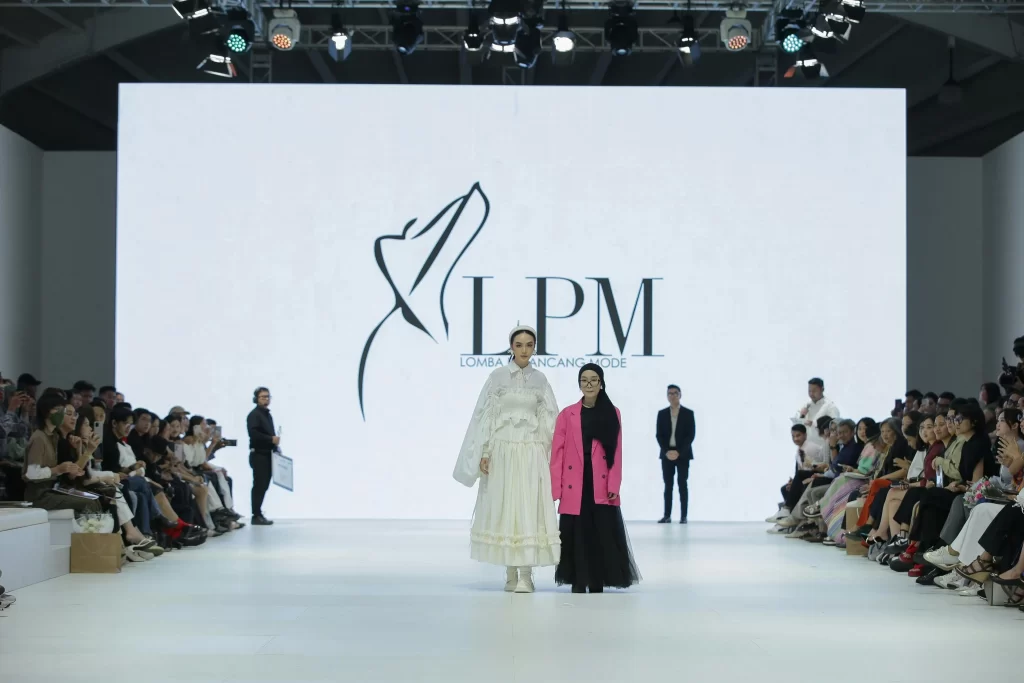
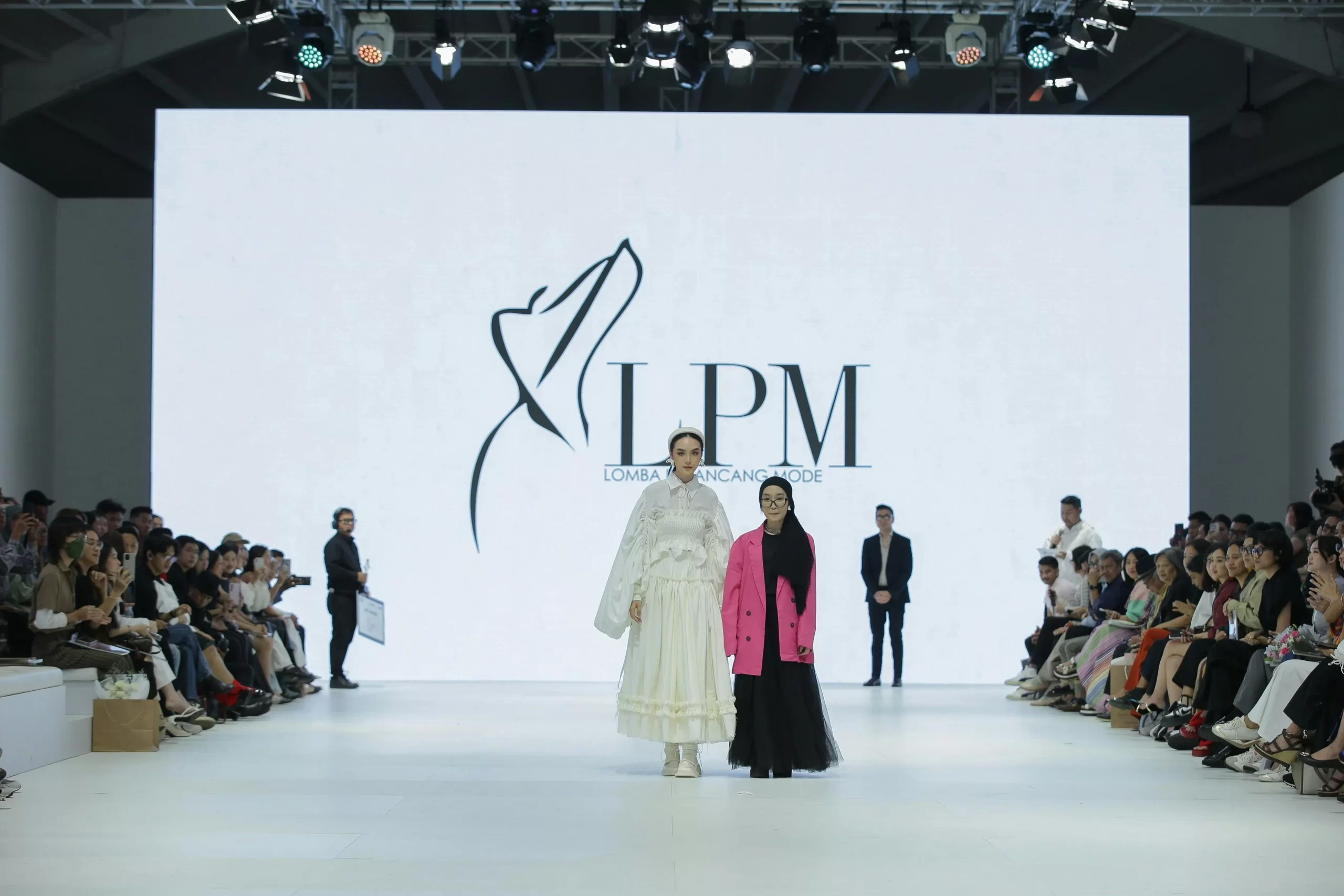
Sustainable growth at Jakarta Fashion Hub
APR launched Jakarta Fashion Hub, a creative space for designers and brands to help further develop the Indonesian fashion industry while encouraging sustainability in fashion design.
Through coaching, provision of facilities and APR’s viscose rayon, as well as partnerships with some of the country’s biggest fashion events, we’re helping to drive sustainable growth across the industry.










Making recycled content the norm
APR is committed to using 20 per cent recycled content in its viscose rayon as part of its APR2030 sustainability roadmap. Instead of developing specific fibre types that offer customers a circular and recycled option but at smaller quantities and higher prices, APR is focussed on increasing the amount of recycled materials across all viscose production.
Investing in cleaner fashion
In 2019 we announced a US$200 million investment in cellulosic textile fibre research and development over 10 years to help fast and linear fashion become more circular and sustainable.
Of the investment sum, 70 per cent is towards clean technology in fibre manufacturing, 20 per cent is towards bringing pilot-scale production to commercial scale, and 10 per cent is towards R&D in emerging frontier solutions.
That led to the launch by Sateri of FINEX fibre and the opening of a new multi-storey R&D Innovation Centre in Shandong, China, as well as a range of partnerships and investments.
Our 2030 targets
100
%
recycled content by 2030
Sateri has achieved its goal of 50 per cent recycled content by 2023, and is on track to achieve 100 per cent by 2030
20
%
of feedstock
APR will source 20 per cent of its feedstock from alternative or recycled materials by 2030

Both Sateri and APR further commit to closed-loop manufacturing by having all their mills meet EU-BAT emission limits from 2023